

In the world of advertising, some campaigns transcend the traditional approach to capture the essence of human emotions, aspirations, and everyday life. From De Beers’ timeless message of eternal love with “A Diamond is Forever,” to the imaginative charm of Children’s Day ads that turn ordinary objects into tools for limitless creativity, these campaigns have shaped and influenced consumer perceptions for decades. Similarly, Continental Bank’s ads cleverly demonstrated how anticipating needs can establish trust, while Cotonnier’s sewing patterns ads inspired the works of creators and makers. Finally, Apple’s “Welcome IBM, Seriously” positioned the company not just as a competitor but as a part of the larger mission to enhance productivity and social capital in the growing personal computer market. While each is distinct in its approach, these campaigns have managed to resonate deeply with their audiences and left lasting impacts across different industries.
A Diamond is Forever (1974)
We’ve all heard the phrase “A Diamond is Forever,” but do we know where it came from? This iconic slogan, introduced by De Beers in 1948, and more than 70 years later, it remains one of the most recognizable and influential marketing messages of all time. Before this campaign, diamonds were not the standard choice for engagement rings, but De Beers changed that by linking diamonds to eternal love and commitment. The ad convinced consumers that a diamond wasn’t just a luxury, it was a necessity that symbolizes an unbreakable bond.
The target audience for De Beers’ A Diamond is Forever ad is primarily engaged or soon-to-be-engaged couples, particularly men who are planning to propose. The campaign was strategically designed to influence cultural norms around engagement rings, positioning diamonds as the ultimate symbol of love and commitment.
Additionally, the ad targets affluent and aspirational consumers who view diamonds as a status symbol. By emphasizing the durability and timelessness of diamonds, De Beers appeals to those who want to invest in a piece of jewelry that holds both emotional and financial value.
Beyond just individuals, the campaign also indirectly targets society as a whole, shaping expectations around marriage proposals and influencing generations of consumers to associate diamonds with lifelong commitment. By reinforcing the idea that “a diamond is forever,” the ad creates a psychological connection between love, status, and the necessity of purchasing a diamond engagement ring.
The effectiveness of the ad lies in its emotional appeal and cultural impact. By positioning diamonds as essential to marriage proposals, De Beers reshaped societal expectations around love and commitment (Kreienberg, 2024). The phrase “A Diamond is Forever” not only emphasized the durability of diamonds but also symbolized everlasting love and commitment. Over time, the campaign was further solidified through Hollywood endorsements, advertising, and evolving social norms, making diamonds synonymous with engagements.
The success of this campaign is measurable in both consumer behavior and industry dominance. A 2013 New York Times feature noted that the slogan had appeared in every De Beers engagement advertisement since its inception, proving its lasting influence (Sullivan, 2013). The diamond engagement ring market grew exponentially as a direct result of De Beers’ marketing, securing its place as the standard for proposals (Torroni, n.d.). Even today, the phrase remains iconic, demonstrating the power of advertising in shaping traditions and influencing generations.

References
Inman, P. (2023, Sept 14). 15 Of The Most Iconic Advertising Campaigns Of All Time. Retrieved from 75 Media: https://75media.co.uk/blog/iconic-advertising-campaigns/
Kreienberg, M. (2024, Sept 11). The Surprising History of Engagement Rings. Retrieved from Brides Magazine: https://www.brides.com/story/history-of-the-engagement-ring
Sullivan, J. C. (2013, May 3). How Diamonds Became Forever. Retrieved from New York Times: https://www.nytimes.com/2013/05/05/fashion/weddings/how-americans-learned-to-love-diamonds.html
Torroni, C. (n.d.). The story behind the famous slogan: A diamond is forever. Retrieved from Tim & Co: https://timcodiamonds.com/editorial/the-story-behind-the-famous-slogan-a-diamond-is-forever/
Children’s day by sodimac (2024)


Sodimac’s Children’s Day ads beautifully capture the magic of childhood imagination by transforming everyday household items into vehicles for adventure. A laundry basket isn’t just for carrying clothes, it’s a hiding place, a spaceship, or a tank. A broom is no longer just for sweeping, it becomes a sword, a horse, or even a laser. A simple wooden stool turns into a steering wheel, a spaceship, or a mighty shield. These ads remind us that when we see the world through a child’s eyes, the most ordinary objects take on extraordinary meaning.
The value proposition of this campaign is its ability to position Sodimac as more than just a home improvement store; it has become a brand that fosters creativity, imagination, and family connection. By celebrating the way children turn household items into playthings, Sodimac taps into the nostalgia of parents who fondly remember their own childhood adventures. This emotional appeal differentiates the brand, reinforcing the idea that a home is not just a space filled with objects but a place where lifelong memories are made.
The target audience for Sodimac’s Children’s Day magazine ad includes parents, caregivers, and families who prioritize creating a nurturing and imaginative home environment for their children. These individuals are likely to be homeowners or renters who shop for household goods and home improvement items, making them potential Sodimac customers.
The ad also appeals to nostalgic adults who remember using everyday objects as toys during their own childhoods. By evoking this emotional connection, the campaign resonates with those who value creativity and play in child development.
Sodimac may also be targeting low and middle-class consumers who seek affordable yet meaningful ways to enrich their children’s lives, reinforcing the idea that imagination is more valuable than expensive toys. The ad aligns with parents who appreciate the versatility of household items and want to encourage their children to think creatively, making Sodimac a go-to brand for home essentials that support both functionality and fun.
The success of this campaign in a magazine can be measured through several factors. One indicator is reader engagement and whether the ad captures attention and resonates with the audience. This can be assessed through brand recall studies, where readers are surveyed to see if they remember the ad and associate it with Sodimac. Print ads often drive indirect engagement, such as increased store visits or website traffic, which can be tracked as well.
Another measure of success is the emotional impact of the ad. If the ad sparks conversations among parents who recognize their children’s imaginative play in the visuals, the campaign has effectively connected with its target audience. An increase in sales of the featured household items like laundry baskets, brooms, and stools could indicate that the ad has influenced purchasing decisions.
Ultimately, the effectiveness of Sodimac’s Children’s Day campaign in print relies on its ability to leave a lasting impression on readers. By evoking nostalgia and celebrating creativity, the ad reinforces Sodimac’s role in creating homes that inspire imagination, making it more than just a home improvement store; it becomes a brand that helps shape meaningful family experiences.
I see this kind of creativity in my own children every day. No matter how many toys they have, they always seem to gravitate toward common household objects. They often turn an empty box into a rocket ship, a blanket into a superhero cape, or a wooden spoon into a magic wand. Their ability to see endless possibilities in everyday items is a reminder of the power of imagination and how, through a child’s eyes, the simplest things can hold the greatest adventures.
Sodimac’s Children’s Day ads transform how we view our homes. By reminding us of the endless possibilities hidden in everyday objects, the campaign promotes its products and reinforces the magic of childhood and the importance of creating a home filled with imagination and joy.
References
Ads of the World. (n.d.). Sodimac Children’s Day. Retrieved from Ads of the World: https://www.adsoftheworld.com/campaigns/children-s-day-9c27f6f4-b1d9-45e1-8da8-cbe740cd2ef9
Continental Bank (2006)
The Continental Bank ads below cleverly illustrate Continental’s commitment to proactive financial solutions with minimal text and striking imagery. Each ad features a scenario where an individual is unknowingly facing an impending challenge, whether it’s an elephant charging from behind, a flock of birds about to take flight overhead, or Goliath approaching. In each case, Continental Bank preemptively provides the necessary solution before the individual even realizes the problem. This visual storytelling aligns perfectly with the campaign’s slogan: “We try to get to you with solutions before you realize you need them.”



The target audience for these ads is individuals and businesses seeking financial security, strategic planning, and expert advice. This includes entrepreneurs, investors, and professionals who need a bank that anticipates potential financial risks and provides timely solutions. The ads also appeal to customers who value efficiency and reliability in banking, reinforcing the idea that Continental Bank is always one step ahead.
Continental Bank differentiates itself by positioning its services as proactive rather than reactive. Instead of waiting for customers to encounter financial hurdles, the bank offers guidance and solutions before issues arise. This messaging assures customers that banking with Continental means having a partner that foresees financial risks and provides tools to navigate them smoothly. The simplicity and clarity of the visuals reinforce trust in the bank’s ability to anticipate needs and offer tailored financial strategies.
The success of these ads can be measured through several indicators, including customer engagement and account openings. Customer engagement metrics, such as inquiries about financial advisory services, can reflect the campaign’s impact. Continental can also track new account openings or loan applications following the ad’s release, which can provide insights into how well the message resonates. Since these ads appear in small spaces at the bottom of pages, Continental Bank can also assess their effectiveness by comparing them against larger, more traditional ads to determine if the compact yet impactful messaging drives similar or better results. The longevity and recall value of the campaign, including how well audiences remember the visuals and associate them with Continental Bank, can also contribute to the campaign’s success.
References
Ads of the World. (2006). Birds and Umbrella. Retrieved from Ads of the World: https://www.adsoftheworld.com/campaigns/birds-and-umbrella
Ads of the World. (2006). David and Goliath. Retrieved from Ads of the World: https://www.adsoftheworld.com/campaigns/david-and-goliath
Ads of the World. (2006). Mouse and Elephant. Retrieved from Ads of the World: https://www.adsoftheworld.com/campaigns/mouse-and-elephant
Cotonnier (2006)
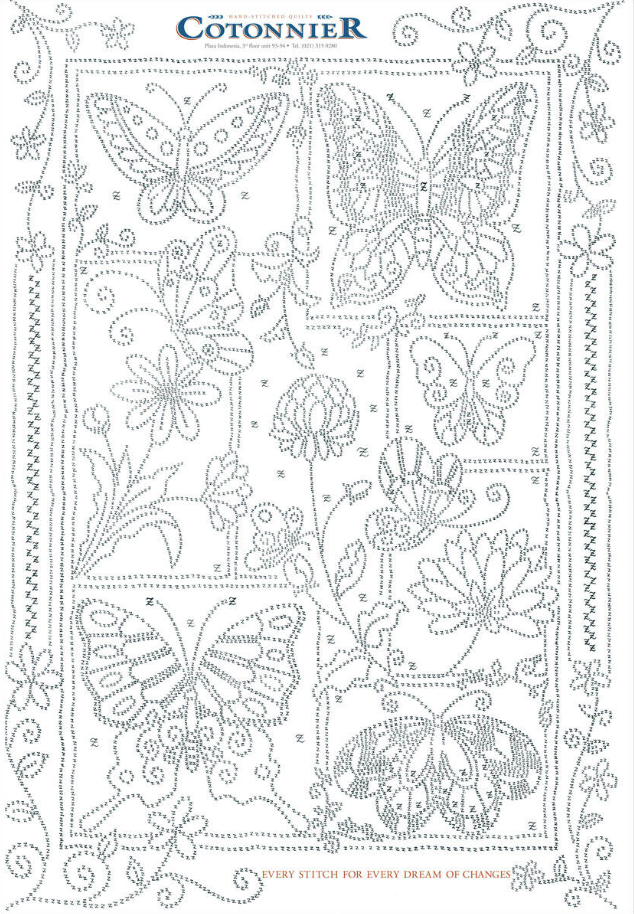
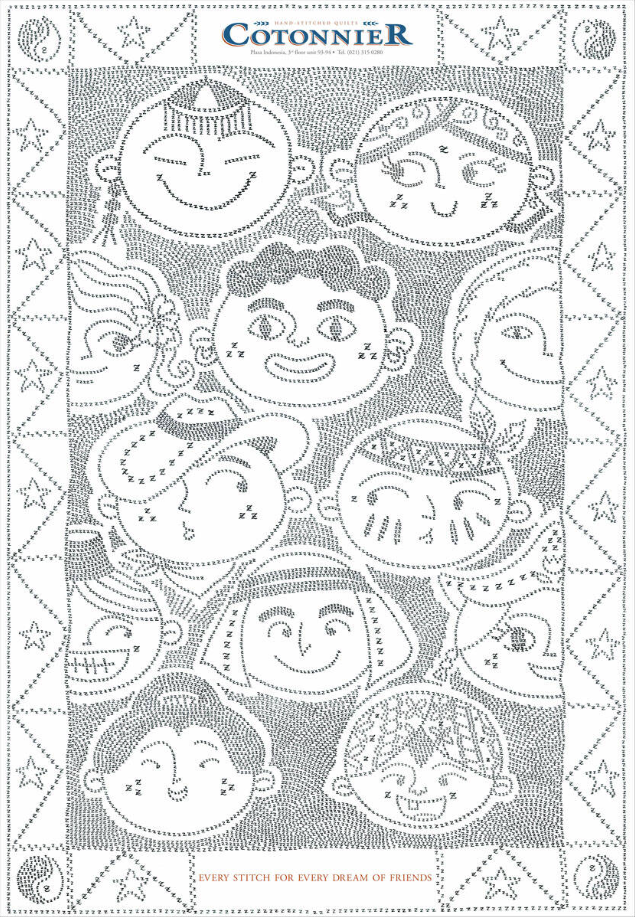
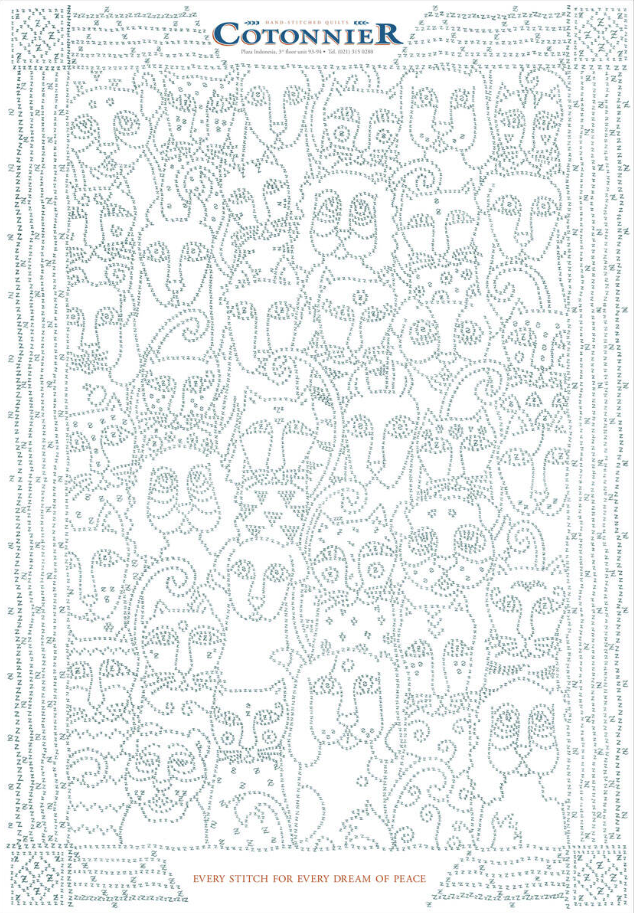
The Cotonnier ads are a brilliant blend of functionality and marketing, featuring actual sewing patterns that viewers can cut out and use. Each ad is centered around the slogan, “Every stitch for every dream of [sewing pattern name],” reinforcing the idea that with Cotonnier’s fabric, creativity knows no limits. These ads not only showcase the brand’s high-quality textiles but also engage the audience by offering something tangible by turning an advertisement into a practical tool for aspiring designers and sewing enthusiasts.
The primary audience for these ads consists of DIY enthusiasts, hobbyist sewers, and professional designers who value the high-quality fabric Cotonnier and the joy of creating their own garments. It also appeals to cost-conscious consumers who appreciate the ability to make their own clothing rather than purchasing ready-made pieces. The campaign also speaks to individuals who view sewing as an art form, emphasizing the emotional connection between craftsmanship and self-expression.
Cotonnier differentiates itself by not just selling fabric but by inspiring creativity and providing the tools needed to bring designs to life. The campaign’s approach turns passive viewers into active participants, inviting them to engage with the ad in a meaningful way. By offering real sewing patterns, Cotonnier fosters a deeper connection with its customers, positioning itself as more than just a fabric supplier—it becomes a partner in their creative journey. This hands-on approach encourages brand loyalty and trust, reinforcing the idea that Cotonnier fabrics are made for dreamers and makers alike.
The success of these ads can be measured through engagement and direct usage of the sewing patterns. One way to track effectiveness is through customer feedback and social media interactions, where users might share their completed designs using Cotonnier fabric. The company could also monitor an increase in website visits, fabric sales, or newsletter sign-ups following the campaign’s release. Additionally, tracking whether sewing groups and communities adopt and share the patterns could indicate how well the campaign resonates with its target audience. By combining creative advertising with a functional offering, Cotonnier ensures its brand remains relevant and valuable to its customers.
References
Ads of the World. (2006). Changes. Retrieved from Ads of the World: https://www.adsoftheworld.com/campaigns/changes-99d4eaa0-1df7-4532-a000-ae25f1d3b5c3
Ads of the World. (2006). Friends. Retrieved from Ads of the World: https://www.adsoftheworld.com/campaigns/friends-7c105efa-fa43-40f4-a85b-ad2f335ccc0d
Ads of the World. (2006). Peace. Retrieved from Ads of the World: https://www.adsoftheworld.com/campaigns/peace-abaccae5-3246-4724-8875-d5c870d7fd8d
Welcome IBM, Seriously (1981)
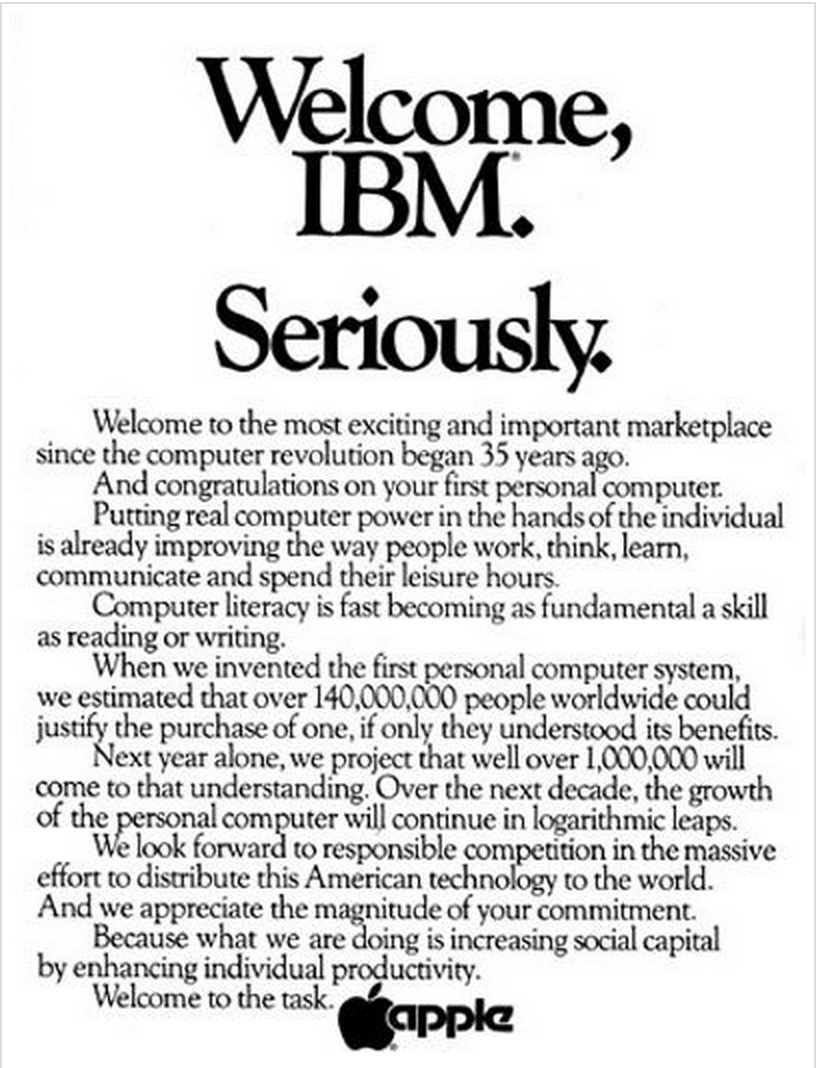
Apple’s “Welcome IBM, Seriously” ad, featured in The Wall Street Journal in 1981, marked a pivotal moment in the company’s history (Murphy, 2018). With IBM, a well-established tech giant, entering the personal computer market, Apple found itself in the position of needing to differentiate itself and solidify its place in the rapidly growing industry (Murphy, 2018). IBM’s entry meant that corporate technology managers, who were used to working with big, trusted names, might feel more comfortable purchasing from a corporate powerhouse rather than a relatively unknown company named after a piece of fruit (Murphy, 2018).
Recognizing the potential for the market to expand rapidly, Apple acknowledged that they and IBM shared a common goal of enhancing individual productivity and increasing social capital through technology. While the two companies would undoubtedly compete in this new space, Apple saw that their missions aligned in improving how people work, communicate, and engage with technology on a personal level.
The ad’s target audience consisted of corporate technology managers, early adopters, and businesses looking to invest in personal computers. Apple was addressing those who might have been hesitant to consider a relatively new player in the market, especially with a well-established giant like IBM entering the space (Murphy, 2018). By welcoming IBM, Apple was making it clear that while they were competitors, they recognized the shared goal of pushing the personal computer industry forward and increasing individual productivity.
The core value proposition of the ad was that both Apple and IBM, despite being competitors, were working toward the same end goal: enhancing productivity and increasing social capital. Apple presented itself as a forward-thinking company that believed in the potential for technology to change lives. By welcoming IBM into the market, Apple positioned itself as part of the broader effort to improve individual productivity and contribute to the growth of the personal computer industry as a whole. This shared mission of increasing productivity allowed Apple to establish itself as a company that is not just focused on competition but also on the collective advancement of technology.
The success of this ad could be measured through the growth of the personal computer market and the resulting increase in sales for Apple, especially in a corporate setting. Apple could also track shifts in market perception and determine whether the ad helped reinforce its position as a key player in the industry alongside IBM. Industry reactions, including commentary from tech experts, analysts, and business professionals, would also provide insights into how Apple’s message of collaboration and mutual goals resonated with its audience.
The “Welcome IBM, Seriously” ad was Apple’s way of acknowledging the changing landscape of the personal computer market, and was Apple’s attempt to carve out a place for itself in a market now being dominated by IBM’s entry. By welcoming IBM into the space and highlighting the shared mission of increasing social capital through enhanced productivity, Apple positioned itself as a company that, while competing, understood the broader implications of this technological revolution. This ad reinforced the idea that while Apple and IBM might be rivals, both were ultimately working toward the same goal of transforming the way people live and work.
References
Murphy, B. (2018, Aug 23). 37 Years Ago, Steve Jobs Ran Apple’s Most Amazing Ad. Here’s the Story (It’s Almost Been Forgotten). Retrieved from Inc.: https://www.inc.com/bill-murphy-jr/37-years-ago-steve-jobs-ran-apples-most-amazing-ad-heres-story-its-almost-been-forgotten.html


Leave a Reply